
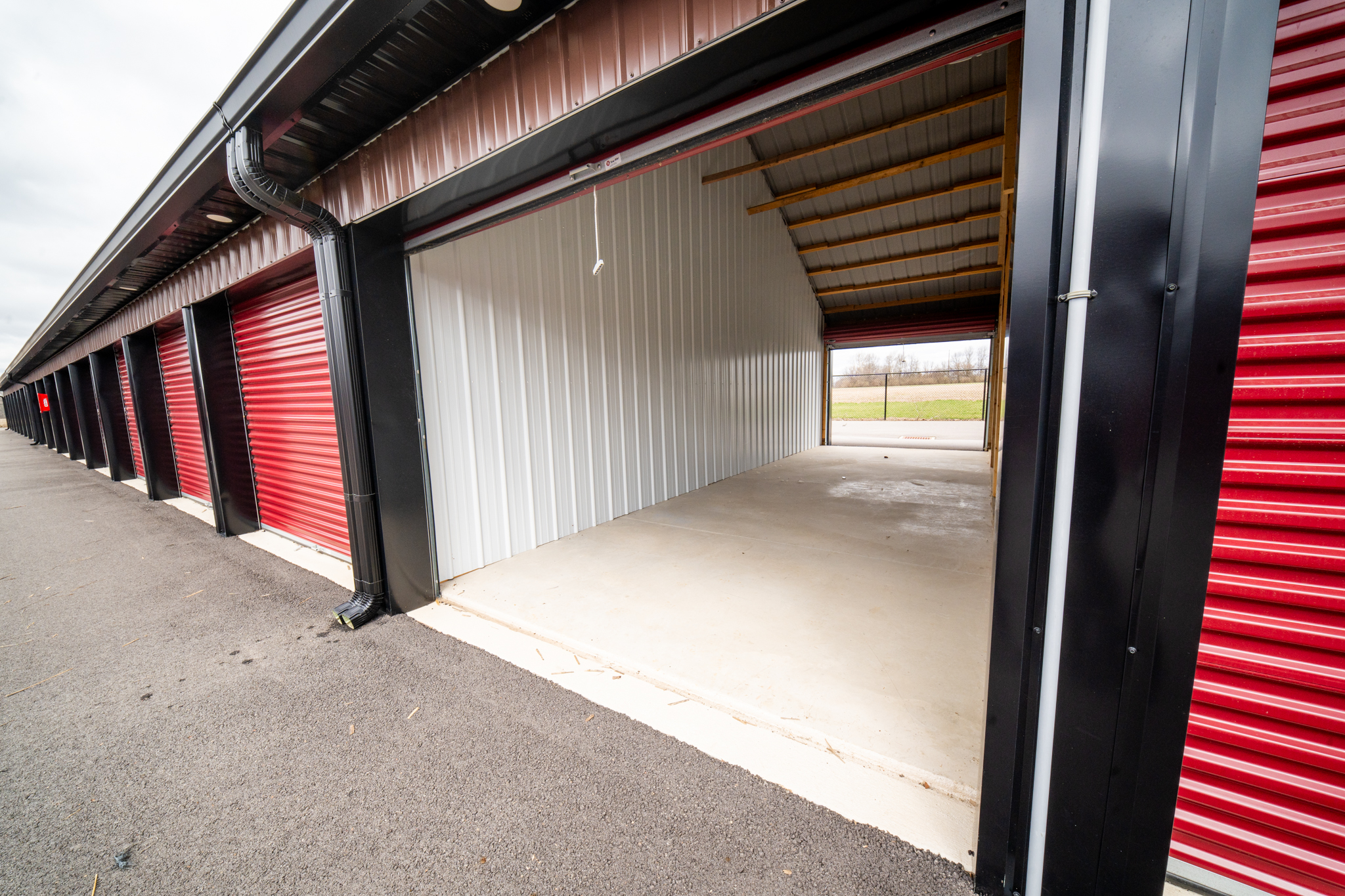
Choosing the right RV storage option is essential for protecting your investment, reducing maintenance costs, and ensuring long-term performance. Whether you own a motorhome, camper, or travel trailer, understanding the differences between outdoor, covered, and indoor RV storage will help you make the best decision.
This guide explains each storage type in detail, including cost, security, and weather protection, so you can confidently choose the option that fits your needs.
Outdoor RV storage is the most basic and commonly available option. It involves parking your RV in an open lot within a designated storage facility.
In simple terms, this is similar to parking your RV in a large, organized space designed specifically for oversized vehicles. Most facilities offer fenced areas, and some include basic security features such as cameras or gated access.
Outdoor storage is a practical choice if you are looking for an affordable and easily accessible solution, especially for short-term use or frequent travel.
| Key Feature | Pros | Cons |
|---|---|---|
| Open-air parking spaces | Most affordable option | Full exposure to the weather |
| Usually located in fenced lots | Widely available | Lower security level |
| Easy access for large vehicles | Convenient for frequent use | Higher risk of wear and tear |
Covered RV storage offers partial protection by placing your RV under a roof or canopy structure. While it does not have walls, it protects your vehicle from direct exposure to the environment.
You can think of it as a shaded parking space for your RV. The overhead cover helps block direct sunlight, rain, and snow, which are some of the main causes of exterior damage.
Covered storage is ideal for RV owners who want added protection without paying the higher cost of indoor storage.
| Key Feature | Pros | Cons |
|---|---|---|
| Roof-only structure | Reduces UV and weather damage | Exposure to wind and dust |
| Shared or individual covered spaces | More affordable than indoor storage | Moderate security |
| Protection from the sun and rain | Balanced cost and protection | Limited protection in extreme weather |
Indoor RV storage is the most secure and protective option. Your RV is stored inside a fully enclosed unit or warehouse, often with advanced security features.
In this setup, your RV is completely shielded from outside elements. It is protected from sun exposure, rain, snow, dust, and temperature fluctuations. Some facilities also offer climate-controlled units to prevent moisture buildup and protect sensitive components.
While indoor storage is more expensive, it helps maintain your RV’s condition and can save you money on repairs and maintenance over time.
| Key Feature | Pros | Cons |
|---|---|---|
| Fully enclosed storage units | Maximum security | Most expensive option |
| Optional climate control | Complete weather protection | Limited availability |
| Controlled access and surveillance | Reduces maintenance costs | Possible size restrictions |
When comparing costs, each storage type fits a different budget:
Although indoor storage requires a higher upfront investment, it can help you save money over time by preventing damage and reducing repair costs.
Security is a key consideration when storing your RV:
Indoor storage provides the safest environment for your RV.
Weather conditions can significantly affect your RV’s lifespan:
If you live in an area with extreme weather, indoor storage is the most reliable option.
The best storage option depends on your needs, budget, and usage:
Each RV storage option offers unique benefits. Outdoor storage is affordable and convenient, covered storage provides a balance of protection and cost, and indoor storage delivers the highest level of security and preservation.
Before making your decision, consider how often you use your RV, your local weather conditions, and how long you plan to store it. Choosing the right storage option today can help you avoid costly repairs and keep your RV in excellent condition for years to come.
If you’re looking for affordable RV storage in Piqua, check availability at Piqua North Storage today.
Or call (937) 307-3897 to speak with someone who can help you choose the right option.
It only takes a few minutes to reserve your space.